
Roadless Rule Defense: Why It Matters
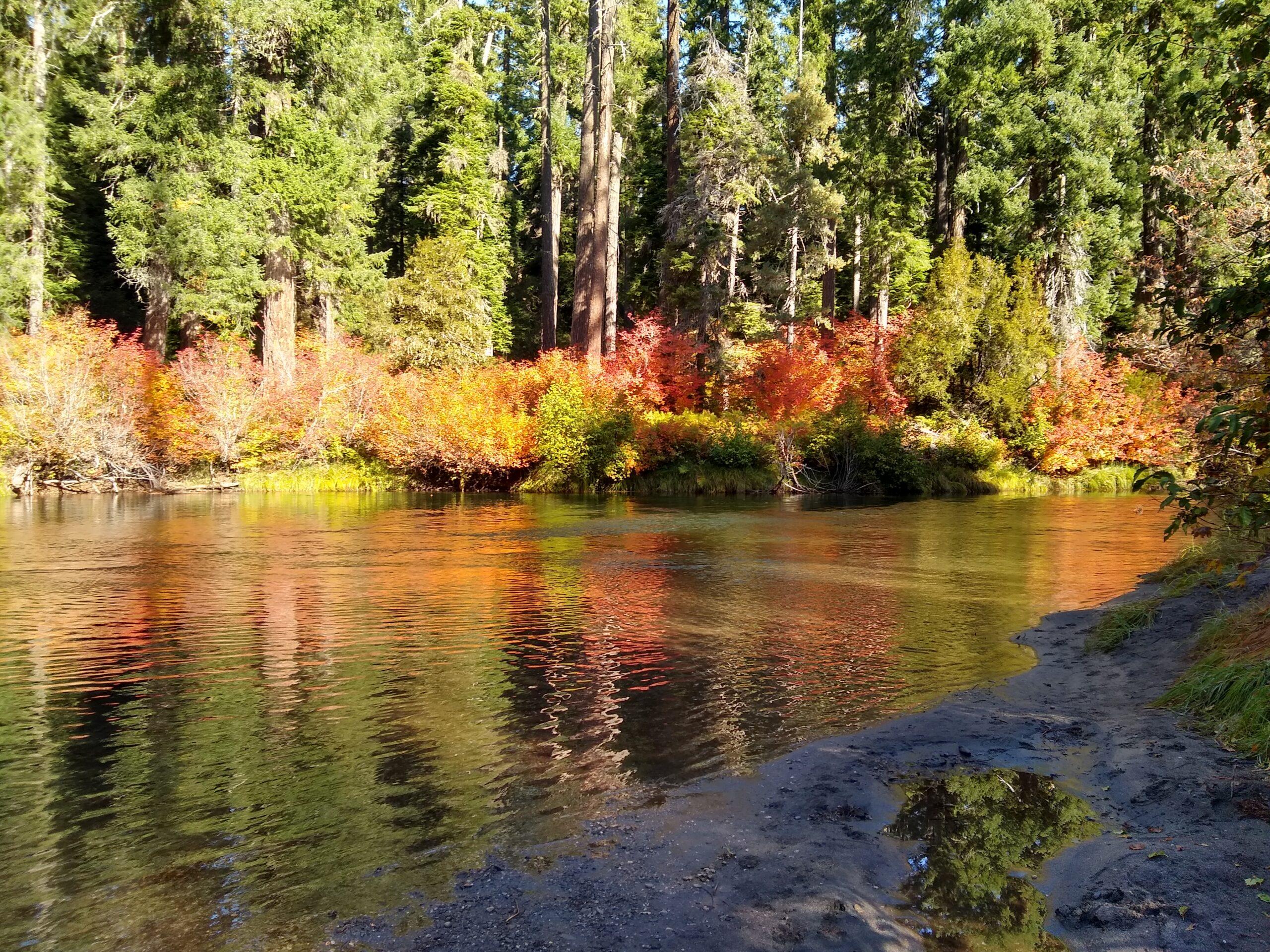
What’s at Stake
The proposed rollback of the 2001 Roadless Area Conservation Rule threatens protections for nearly 58.5 million acres of undeveloped backcountry forestlands—about one-third of all U.S. national forests. These protections have kept forests intact by preventing new road construction for large-scale logging, mining, or oil-and-gas drilling.
Recreation Opportunities
Roadless areas are a cornerstone of America’s outdoor heritage. They provide:
-
43,826 miles of trails
-
11,337 climbing routes
-
20,298 mountain biking trails
-
1,000+ whitewater paddling runs
Major national trails such as the Pacific Crest, Continental Divide, and Appalachian traverse these lands. Millions enjoy hunting, fishing, camping, and exploring here every year.
Wildlife and Habitat
Because they remain unfragmented by roads, roadless areas safeguard habitat for more than 2,100 threatened, endangered, or sensitive species. These include grizzly bears, California condors, wolves, salmon, trout, and migratory songbirds. In Alaska, roadless areas sustain wild salmon runs essential to Indigenous food security and local economies.
Clean Drinking Water
National forests are the headwaters for America’s great rivers. They provide drinking water to more than 60 million people in 3,400 communities across 33 states. Roads are a major source of water pollution; by keeping these headwaters intact, the Roadless Rule protects safe, clean drinking water for cities including Los Angeles, Portland, Denver, and Atlanta.
Cost to Taxpayers
The U.S. Forest Service already manages a 370,000-mile road system—twice the length of the U.S. highway network—with a multi-billion-dollar backlog in maintenance. Adding new roads into backcountry forests will only deepen the taxpayer burden while further degrading ecosystems.
Fire and Public Safety
Rollback proponents often cite wildfire concerns, but research shows:
-
More roads = more fires. Between 1992–2024, wildfires were four times more likely to start near roads than in roadless tracts. Over 90% of fires nationwide ignite within half a mile of a road.
-
Roadless Rule exceptions already exist. Managers can thin forests, conduct prescribed burns, and build temporary roads for emergencies.
-
Remote roads don’t protect communities. Less than 5% of roadless acres are near the Wildland-Urban Interface—the zone where homes and communities are most vulnerable. Effective fire protection focuses here, not in distant backcountry.
Climate Benefits
Older, mature forests in roadless areas are powerful carbon sinks, storing vast amounts of carbon dioxide and buffering climate impacts. Logging removes these natural defenses, worsening climate change while reducing biodiversity and water resilience.
Indigenous and Cultural Values
Roadless areas protect ancestral lands and subsistence uses central to Indigenous culture and food security, including hunting, fishing, and gathering plants for food, medicine, and tradition.
Public Support
The Roadless Rule is one of America’s most popular conservation measures. When adopted in 2001, it received 1.6 million public comments and remains widely supported today. Recent legislation—the Roadless Area Conservation Act of 2025—seeks to codify these protections so they cannot be rolled back by administrative action.
Key Myths and Facts
-
Myth: More roads reduce wildfire risk.
Fact: Roads increase ignition sources. Fire prevention should focus on community protection zones, not remote backcountry. -
Myth: Roadless areas are “locked up.”
Fact: Recreation, hunting, fishing, grazing, firewood gathering, and forest stewardship are allowed. What’s restricted is large-scale industrial development. -
Myth: Roadless protections hinder management.
Fact: The Rule has built-in flexibility for fuel reduction, fire safety, and necessary access.
Take Action
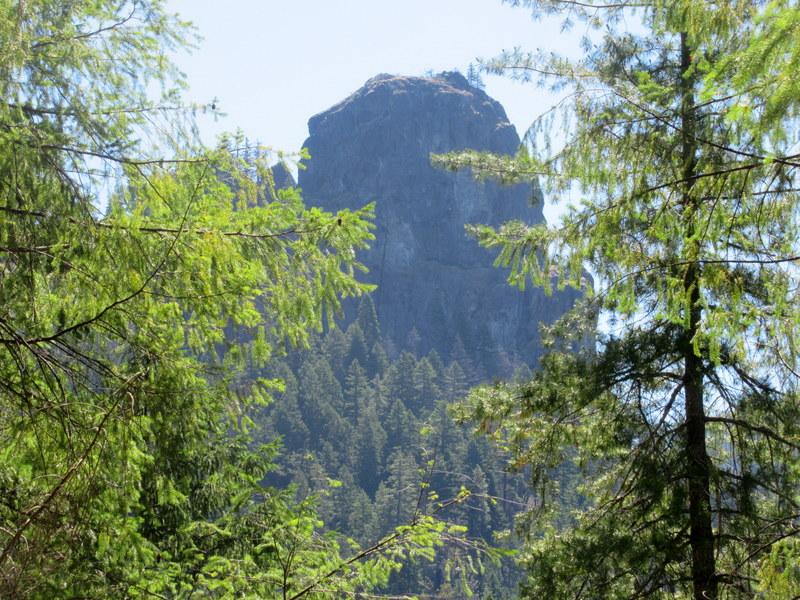
Eagle Rock NUT Jessie Wright section
-
Contact your members of Congress to support the Roadless Area Conservation Act of 2025.
-
Share these facts with your community.
-
Visit and enjoy your public lands—showing they matter keeps them protected.
- https://www.fs.usda.gov/managing-land/planning/roadless
- Where to make comments:
Additional information, including the eventual publication of the EIS and record of decision, can be found on the following website: https://www.fs.usda.gov/managing-land/planning/roadless. Comments must be submitted via one of the following methods:
- Electronically (preferred): Through the Federal eRulemaking Portal, https://www.regulations.gov, identified by docket number FS-2025-0001. Follow the instructions for submitting comments.
-
Mail: Hardcopy letters must be submitted to the Director, Ecosystem Management Coordination, 201 14th Street SW, Mailstop 1108, Washington, DC 20250-1124.
Mapping Websites:
GIS Data:
https://data.fs.usda.gov/geodata/edw/datasets.php
Take Action:
https://standup.tu.org/protect-our-public-lands/
https://johnmuirproject.org/take-action/#/
Letters to the Editor
- Marina Richie LTE: https://www.oregonlive.com/opinion/2025/08/readers-respond-cons
- erve-roadless-areas-to-protect-the-wild.html
- Alan Journet LTE: https://rv-times.com/2025/08/06/letter-to-the-editor-support-effort-for-a-healthy-oregon-environment/
- Letter to the editor: Roadless rules protect best el
 k habitat (behind a paywall: https://missoulian.com/opinion/letters/article_f0e09942-af88-4a9a-8eba-cbf362657bf7.html)
 - Diana Pace Guest Column: https://www.nrtoday.com/opinion/guest-column-protecting-our-last-wild-places-and-why-the-roadless-rule-matters/article_507698eb-b64f-4e13-9569-1774cc7a0bd4.html
- JOHN GILBERT Column: https://www.fltimes.com/opinion/guest-appearance-the-road-taken-rescinding-roadless-rule-could-cause-major-problems/article_d76c0fa6-ad6b-4553-bed7-604b4469c080.html
- Letters: Rolling back Roadless Rule threatens our forests, communities (behind a paywall: https://www.mercurynews.com/2025/08/05/letters-rolling-back-roadless-rule-threatens-forests/)
- Brian Sweeney—WELC 1:17 PM
SARAH MCMILLAN op-ed: The Roadless Rule – on the Chopping Block – is Our Life Support System for Humanity’s Life Support System
https://flatheadbeacon.com/2025/08/14/the-roadless-rule-on-the-chopping-block-is-our-life-support-system-for-humanitys-life-support-system/
Articles:
(https://umpquawatersheds.org/trump-admin-plan…rly-59-million-a/)
https://cepr.net/publications/public-lands-for-private-profit/
Federal Postings:
https://public-inspection.federalregister.gov/2025-16581.pdf
Roadbuilding and maintenance:
https://www.fs.usda.gov/science-technology/infrastructure/maintaining
https://www.fs.usda.gov/sites/default/files/fs_media/fs_document/FY24-forest-system-stats.pdf